
MLMcVinney & Associates, LLC
Elite Commercial Real Estate.Chautauqua Lake & Western New York
Industrial. Commercial. Multifamily. Luxury Lakefront. Ranked #1 in WNY. Harvard trained, CBRE background, and more closed transactions in this region than any competing broker.

The Standard
The region's most demanding deals end here.
Before launching MLMcVinney & Associates, Michael spent years at CBRE, one of the largest commercial real estate firms in the world. He holds a Harvard Real Estate Management certificate (MMP).
Named a Top Producing Broker in Sales Volume by ERA Real Estate in 2022 — one of a handful of brokers nationally to earn that designation — Michael draws on a construction-industry background that most brokers simply don't have.
When the deal is complicated and the stakes are real, clients in the Great Lakes region call one number.
Harvard
Management Cert.
$9.3M
Closed Volume, Last 3 Yrs
Asset Classes
Industrial & Warehouse
Manufacturing plants, distribution centers, flex-industrial and warehouse properties across Western New York and the Great Lakes corridor.
Commercial & Office
Retail centers, office buildings, mixed-use assets, and development sites in Chautauqua County, Buffalo metro, and Erie PA.
Multifamily Investment
5-plus unit rental properties, value-add multifamily acquisitions, and apartment buildings across the WNY and Chautauqua County markets.
Luxury Waterfront
Lakefront estates, waterfront commercial properties, marinas, and seasonal hospitality assets on Chautauqua Lake and Lake Erie.



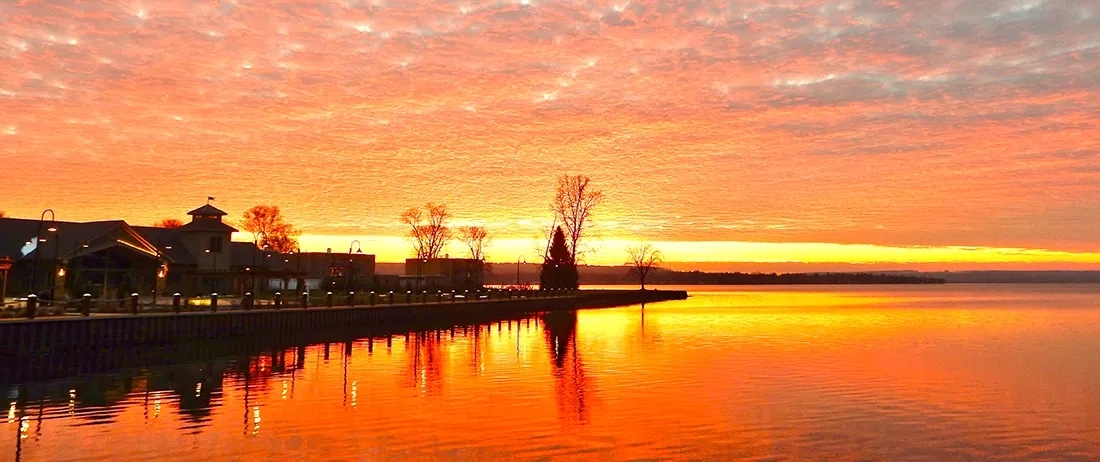
The Market
Chautauqua Lake & Western New York
Chautauqua Lake and Western New York are easy to underestimate. Serious buyers and sellers know better.
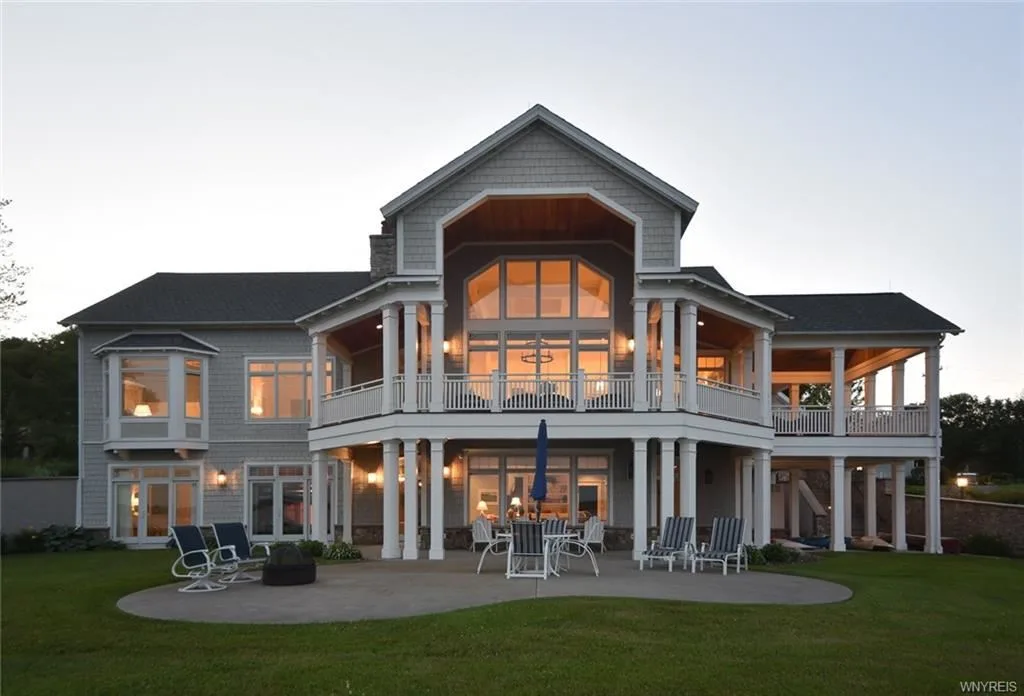
Waterfront Real Estate
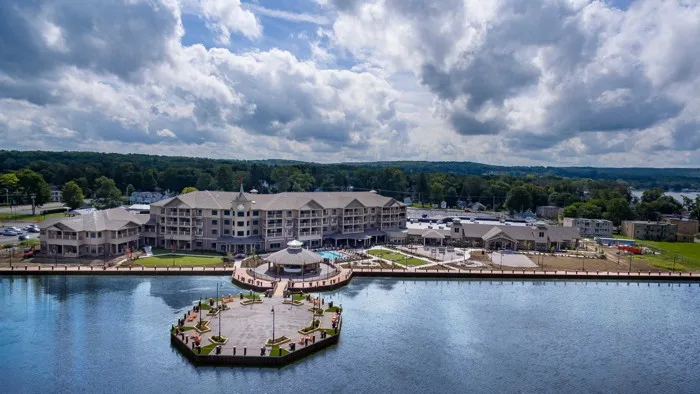
Commercial Development

Investment Properties
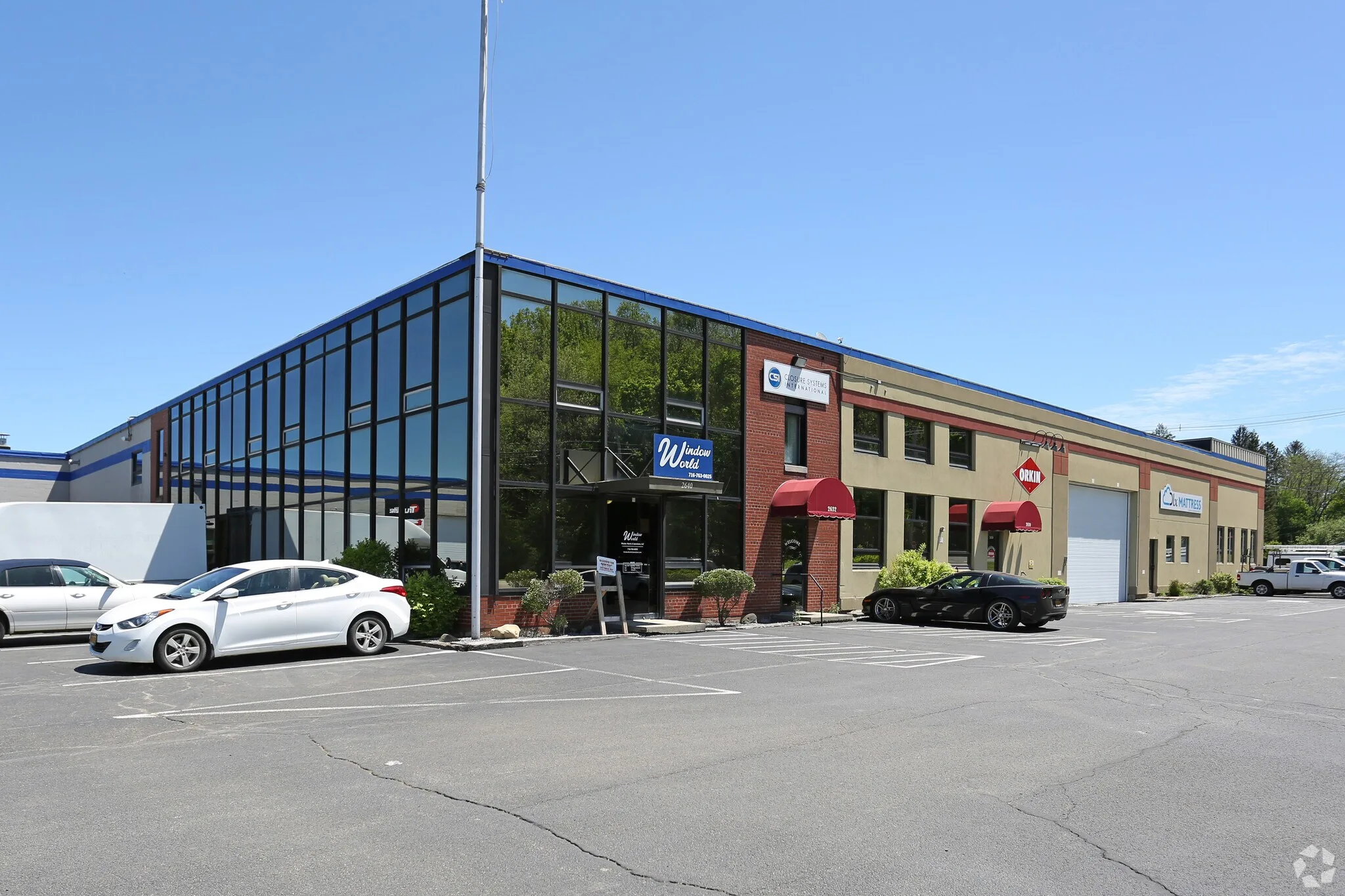
Industrial Properties
Coverage Area
Key Markets
Closed transactions across Chautauqua County, the Buffalo metro, Erie PA, and the broader Great Lakes region.
Chautauqua County & Western New York
Commercial Hub
Jamestown, NY
The commercial and industrial center of Chautauqua County. Michael handles office, retail, multifamily, and mixed-use transactions throughout downtown Jamestown and surrounding corridors.
Waterfront & Lakefront
Chautauqua Lake
Specialist coverage for waterfront commercial properties, marinas, seasonal hospitality, and lakefront investment properties along the full perimeter of Chautauqua Lake. Properties have traded in the $400,000–$3M+ range depending on frontage, improvements, and intended use.
Village & Seasonal
Bemus Point, NY
A high-demand lakefront village with strong seasonal hospitality, restaurant, and retail activity. Buyer and seller representation for commercial and investment properties in the Bemus Point corridor.
North Shore & Lake Erie
Westfield, NY
Gateway to Lake Erie's north shore, vineyard country, and regional tourism. Commercial property brokerage including retail, hospitality, and agricultural investment properties.
Industrial & Manufacturing
Falconer, NY
Active industrial corridor with light manufacturing, warehouse, and flex-space inventory. Michael brings construction-industry expertise to industrial acquisitions and dispositions in Falconer and southern Chautauqua County.
County Seat & Northern Lake
Mayville, NY
Chautauqua County seat on the northern tip of Chautauqua Lake. Office, municipal-adjacent commercial, and lakefront investment properties represented on behalf of buyers and sellers.
Cultural & Institutional
Chautauqua Institution, NY
The nationally recognized Chautauqua Institution grounds and surrounding village create a distinctive market for seasonal commercial, hospitality, and mixed-use investment properties along the western lakeshore.
University Town & Commercial
Fredonia, NY
Home to SUNY Fredonia and a strong downtown commercial district. Office, retail, and multifamily investment opportunities driven by the university community and proximity to Lake Erie and I-90.
Port City & Industrial
Dunkirk, NY
A Lake Erie port city with active commercial and industrial corridors. Dunkirk offers waterfront redevelopment potential, industrial properties, and retail inventory along the Lake Erie shoreline in northern Chautauqua County.
Cattaraugus County, NY
Regional Commercial Center
Olean, NY
The commercial and retail hub of Cattaraugus County. Olean features a dense downtown corridor, retail centers along Route 417, industrial inventory, and multifamily investment properties serving the county's largest population center.
Gaming & Mixed-Use
Salamanca, NY
Home to Seneca Allegany Resort & Casino and a unique commercial environment shaped by Seneca Nation land and gaming-related economic activity. Commercial and hospitality properties in and around Salamanca offer distinctive investment characteristics.
Ski Resort & Tourism
Ellicottville, NY
Western New York's premier four-season resort destination, anchored by Holiday Valley and HoliMont ski resorts. Strong hospitality, seasonal retail, short-term rental, and mixed-use commercial activity driven by consistent year-round visitor traffic.
Buffalo Metro & Erie County, NY
Regional Commercial Center
Buffalo, NY
Western New York's largest commercial market. Office towers, multifamily investment, mixed-use redevelopment, and industrial assets across the city's established business corridors and waterfront.
Airport & Distribution Corridor
Cheektowaga, NY
One of the region's most active industrial and logistics corridors, anchored by Buffalo Niagara International Airport. Warehouse, distribution, flex-space, and retail concentrated along the Walden Ave and Dick Rd corridors.
Waterfront Industrial
Tonawanda & North Tonawanda, NY
Historic manufacturing and industrial district along the Niagara River and Erie Canal. Strong inventory of waterfront industrial, redevelopment sites, and light manufacturing properties.
Suburban Office & Medical
Amherst & Williamsville, NY
The primary suburban office, medical office, and professional services corridor in northern Erie County. High-traffic retail, Class A office, and mixed-use assets along Transit Rd and Main St.
Warehouse & Logistics
Depew & Lancaster, NY
Active logistics, warehouse, and light manufacturing corridor east of Buffalo. Strong I-90 access and proximity to BUF Airport make this a prime target for distribution and industrial users.
South County Industrial
Hamburg & Lackawanna, NY
South Erie County corridor with diverse industrial, retail, and commercial inventory. Lackawanna's legacy steel sites offer significant redevelopment and heavy industrial opportunity.
Northwestern Pennsylvania — Regional Commercial & Industrial Market
Regional Port & Commercial Hub
Erie, PA
The largest commercial market on the southern Lake Erie shore. Strong industrial, port-adjacent, waterfront redevelopment, and mixed-use investment opportunities across the city's established corridors.
Primary Retail & Office
Millcreek Township, PA
The dominant suburban retail and office corridor west of Erie. Dense commercial activity along Peach St and Route 20, with high-traffic retail centers, professional office parks, and national anchors.
Industrial & Distribution
Summit Township & Harborcreek, PA
Growing industrial and logistics corridor with strong I-90 access east and south of Erie. Significant warehouse, distribution, and manufacturing inventory serving regional supply chains.
Manufacturing & Light Industrial
Corry, PA
Established manufacturing base in southeastern Erie County with industrial, flex-space, and light-industrial property inventory. Accessible to both Erie and Chautauqua County markets.
Commercial Corridor
Fairview, PA
Commercial and light industrial corridor west of Erie along Route 20 and I-90. Retail, office, and industrial properties serving the growing northwest Erie County population.
Commercial, Industrial & Redevelopment
Warren, PA
Warren expands Michael's Northwestern Pennsylvania coverage into a market with downtown commercial buildings, mixed-use properties, small industrial facilities, and redevelopment opportunities. Buyers and owners should evaluate building condition, utility capacity, zoning, environmental history, access, capital requirements, and the depth of local tenant and buyer demand before relying on projected value or future use assumptions.
Transactions & Listings
Selected Assignments
A representative sample of recent closed transactions and active assignments across Western New York.
Luxury Lakefront Residential
Closed$1,350,000
5500 Tastor Ln
Fredonia, NY 14063
Single-family lakefront estate on Lake Erie. 3,600 sq ft on 3.5 acres with direct water frontage. Closed February 2026 at $375/sq ft. NYSAMLS #R1637770.
NNN Commercial Retail
Active$900,000
8229 N Main Street
Eden, NY 14057
Dollar General net lease investment portfolio: two Western New York locations. 10% cap rate.
Additional transactions available upon request. Certain assignments are handled confidentially.
Client Reviews
39 Five-Star Reviews
★★★★★"Mike is ABSOLUTELY AWESOME. Talk about going above and beyond! I live long distance and he went right over to the building I was interested in on SEVERAL occasions to shoot video, virtually walk me around the entire property, met with contractors... everything. Can't say enough about this guy."
★★★★★"I've worked with Mike McVinney on numerous projects from Pennsylvania through New York and I can state, without reservation, that Mike is incredibly hard working and one of the most creative deal makers I have ever worked with. He is solution focused, and a consummate professional."
★★★★★"Mike's professionalism and knowledge of commercial real estate is unmatched. He was able to find what we were looking for almost immediately. Highly recommended!!"
★★★★★"I had the pleasure of working with Michael McVinney to purchase my dream lake house. Mike was incredibly knowledgeable about the local market, attentive to my needs, and always available to answer any questions I had. His professionalism and expertise made the entire process smooth and stress-free."
InsightsCommercial Real Estate Q&A
What is the first step to buying commercial real estate?
Start by defining how the property will be used and what the investment must accomplish. Consider the preferred location, building size, zoning, access, parking, loading requirements, utility capacity, occupancy needs and total budget.
Buyers who need financing should speak with a commercial lender early. A lender can help establish the likely down payment, debt-service requirements and price range before the property search begins.
Should I buy or lease commercial space?
Buying may make sense when you expect to remain in the location for several years, want control over the property and have enough capital for the down payment, closing costs, improvements and ongoing ownership expenses.
Leasing may offer more flexibility and require less upfront capital. The right decision depends on your business plans, available cash, expected growth and the cost of suitable properties in the local market.
Should I sell my current commercial property before buying another one?
That depends on your cash position, financing structure and ability to carry both properties.
Some owners sell first because they need the equity for their next acquisition. Others buy first to avoid disrupting their business or losing a strong opportunity. A purchase may also be structured around the sale of another property, financing approval or a potential Section 1031 exchange.
Your broker, lender, attorney and tax advisor should review the timing before you commit to either approach.
What should a commercial property accomplish for my business or investment plan?
The property must fit a specific purpose. For an owner-occupant, that means location, size, configuration, zoning and infrastructure that support daily operations. For an investor, it means cash flow, a reasonable entry price and a realistic plan for holding, improving or exiting the asset.
Before searching, write down what success looks like. If the goal is cash flow from day one, a stable tenanted building makes sense. If the goal is long-term appreciation or value creation, a value-add acquisition or redevelopment site may fit better.
Properties that don't fit the plan from the start rarely get better after closing. Define the requirement first.
Is this the right time to buy commercial real estate?
Timing affects financing costs and buyer competition, but it is rarely the most important variable. A well-priced property that matches your investment plan and available capital can be a sound acquisition in most rate environments.
The questions worth asking are more practical: Can you secure financing on acceptable terms? Does the property's income cover debt service with reasonable margin? Do you have enough capital in reserve after closing? Is the asking price supported by current market evidence?
Buyers who wait for perfect conditions frequently overpay when competition returns. Buyers who rush in on weak fundamentals regret it regardless of rates. The property's income quality, physical condition and price should drive the decision more than the calendar.
What is a good return on investment for commercial real estate?
There is no single benchmark that applies across property types, markets and investor strategies.
Cap rate measures the current income yield before financing. Cash-on-cash return measures annual cash flow relative to equity invested. Total return includes both income and any change in property value over the holding period.
In Western New York markets, stabilized commercial and multifamily properties have generally offered higher cap rates than comparable properties in larger coastal markets, reflecting both the opportunity and the smaller buyer pool. What constitutes a good return depends on the investor's goals, risk tolerance, available capital, financing terms and alternatives.
Return targets that look attractive on paper can deteriorate quickly when renovation costs, vacancy, management expenses or financing terms differ from what was underwritten.
How much cash should I reserve after purchasing an investment property?
The purchase itself is not the end of the capital commitment. Reserves available after closing affect how well an investor can absorb unexpected costs and maintain the property through vacancies or needed repairs.
Commercial lenders often require a minimum level of post-closing liquidity as a loan condition. Beyond lender requirements, investors typically maintain reserves to cover:
- Capital expenditures: roof, mechanical systems, parking, major building components
- Vacancy periods during tenant transitions
- Carrying costs if income is interrupted
- Renovation costs for value-add acquisitions
A common starting point is 5–10% of the purchase price held in accessible reserves, though the appropriate amount depends on the property's age, condition, lease structure and intended improvements. Investors who close with minimal remaining capital are most vulnerable when the unexpected occurs.
What cash flow will this property produce after debt service, capital reserves and expected vacancy?
This question replaces cap rate as the central underwriting test. Cap rate measures income yield before debt service. After paying the loan, funding capital reserves and absorbing realistic vacancy, the actual cash a property produces can look very different.
Work through the math before making an offer. Start with gross potential rent, then subtract vacancy and credit loss to arrive at effective gross income. Subtract operating expenses (taxes, insurance, maintenance, management, utilities, repairs) to get NOI. Subtract annual debt service to reach before-tax cash flow. Divide that by equity invested for the cash-on-cash return.
The reserve line matters. Buildings require ongoing capital: roofs, HVAC, parking, tenant improvements. Investors who don't fund reserves adequately deplete cash flow or take on emergency debt when major systems fail.
Run this analysis at current income, then at income after a tenant vacancy and a market re-lease. The spread between those two scenarios shows the downside risk the property carries.
How do I find off-market commercial and industrial properties?
Off-market deals come through relationships, not search platforms. Owners who want to sell quietly, test market interest or avoid the disruption of a public listing often do so through brokers they trust.
The most reliable source is a broker with deep local ties to property owners, attorneys, lenders and other brokers who know which owners are considering their options. Direct mail campaigns have produced results for some buyers, but they require patience and volume.
Buyers with a clear acquisition profile give a broker something concrete to look for. Vague criteria rarely convert to off-market introductions. Define what you want in specific terms (property type, size range, location, price range), work with someone who knows the market, and be ready to move when something surfaces.
When should I walk away from a commercial real estate deal?
Walk away when due diligence reveals a material problem the price doesn't reflect. A deferred roof, an unresolved environmental condition, a tenant with a weak lease, a zoning issue that restricts the intended use, or a title defect can each change the economics of a deal that looked sound on paper.
The hard cases are when the problem is real but not catastrophic. A contaminated site may be manageable with the right remediation plan, price credit or environmental insurance. A below-market lease may turn over sooner than the term suggests. These situations require judgment, professional input and a clear-eyed assessment of risk.
The easier cases are when the seller won't acknowledge a known issue, when the numbers only work under optimistic assumptions, or when financing cannot support revised terms after inspection and environmental review. Don't try to make a bad deal work with clever structuring.
Who is the likely buyer or tenant when I need to exit this investment?
This question belongs in the underwriting process, not the exit discussion. Before closing on an investment, understand who will want the property when you sell and what kind of tenant will lease vacant space.
An industrial building in a specialized configuration may appeal to a narrow set of operators. A retail strip with national tenants attracts a different buyer than one with local occupants. A multifamily building in a growing submarket has a different buyer pool than one in a declining area.
If the answer is hard to identify, that is a risk to price into the deal. Properties with thin buyer or tenant pools take longer to sell and may require deeper price concessions than comparable properties with broader appeal.
Should I buy directly, form a partnership or invest through a syndication?
Each structure carries real tradeoffs.
Buying directly gives you full control and the full return, but also the full risk. You make all decisions, absorb all capital needs and carry the liability. For a smaller, uncomplicated investment in a market you know, direct ownership is often the simplest approach.
A partnership can spread capital requirements and operating risk between parties. The agreement must define control, decision-making, capital calls, distribution priority and exit rights clearly. Informal partnerships with vague agreements are a reliable source of disputes.
Syndications allow investors to participate in larger transactions without operating responsibility. The investor's return depends on the sponsor's underwriting accuracy, operational competence and alignment of interests. Many syndication structures favor the sponsor on fees and promoted interest; investors bear the capital risk. Review the offering documents with a securities attorney before investing.
I've never sold a commercial property before. Where do I start?
Start with a confidential consultation. There is no obligation, no paperwork and no commitment involved in an initial conversation.
The first meeting is focused on understanding your property, your goals and your timeline. Michael will walk you through the process, explain how your property would be valued, and give you an honest picture of what to expect before any decisions are made.
Most sellers are ready to move within a week of the first conversation.
What should I expect at the first consultation?
The first consultation is a conversation, not a pitch. Michael will ask about the property, how long you have owned it, any recent improvements, the current tenancy or occupancy situation, your ideal timeline and what outcome matters most to you.
You do not need to have documents ready for the first meeting. A basic description of the property and your goals is enough to get started.
At the end of the conversation, you will have a clearer picture of the likely value range, the process, and whether it makes sense to move forward.
Is now a good time to sell my commercial property?
Market timing is a factor, but it is rarely the most important one.
The more relevant questions are: What are your goals for the proceeds? Do you have a defined timeline? Is your property's income stable, improving or declining? Are there capital expenditures approaching that would affect value? Is there a tax planning opportunity or constraint to consider?
Interest rate environments affect buyer pools and pricing expectations, but well-located, income-stable commercial properties continue to trade in most conditions. Properties that are well-maintained, have organized documentation and are priced accurately for the current market attract qualified buyers regardless of broader conditions.
The best starting point is a confidential market assessment specific to your property. Michael can provide an honest evaluation of current demand, likely value range and timing considerations without any obligation to list.
How long does it take to sell commercial real estate?
The timeline depends on the property type, asking price, condition, location, financing environment and number of qualified buyers.
A specialized industrial building, development site or seasonal hospitality property may take longer to sell than a well-located property with stable income and strong tenants. The closing process may also take longer when environmental review, financing, zoning approvals or complex leases are involved.
Lakefront properties on Chautauqua Lake are most active from late winter through summer. Multifamily properties with stable tenancy and organized financials tend to move faster than those requiring significant documentation work before marketing can begin.
What should I prepare before listing a commercial property?
Gather the records a serious buyer will request, including:
- Surveys
- Deeds and title documents
- Environmental reports
- Building plans
- Leases
- Rent rolls
- Income and expense statements
- Tax bills
- Utility records
- Service contracts
- Capital improvement records
- Permits and certificates of occupancy
- Zoning information
Complete and organized records can reduce delays and give buyers more confidence in the property.
Should I make improvements before listing my commercial property?
Usually no.
For income-producing properties, buyers are primarily valuing cash flow and income stability, not finishes or cosmetics. A capital improvement that costs $50,000 does not automatically add $50,000 to the sale price in a commercial transaction the way it might in residential real estate.
Improvements worth considering before listing include:
- Deferred maintenance that affects safety, code compliance or a lender's ability to finance the property
- Known issues that could emerge during inspection and give a buyer leverage to renegotiate
- Items that are visibly off-putting during showings and cannot be explained by price
Improvements that rarely recover their cost include cosmetic renovations, aesthetic upgrades to common areas, and any capital work that cannot be reflected in higher rents or documented NOI improvement.
Get a broker's assessment before committing capital. The answer depends on the property type, buyer profile and what the market will actually recognize in the sale price.
Which repairs, deferred maintenance or compliance issues should I address before marketing?
Address issues that are safety-related, code non-compliant or likely to prevent financing. Skip cosmetic improvements that won't recover their cost in the sale price.
A lender appraising the property for a buyer's commercial loan will flag conditions that affect habitability, code compliance or structural integrity. These issues can delay closing or cause a buyer to terminate if discovered late in due diligence.
Examples worth addressing before marketing: active roof leaks, code violations with outstanding orders to remedy, nonfunctional fire-suppression systems, elevator inspection failures and electrical or plumbing hazards.
Examples that rarely justify pre-sale investment: interior finishes, landscaping improvements, equipment upgrades for a new owner who may not need the same setup and cosmetic building exterior repairs that don't affect the asking price.
Ask your broker to identify what a buyer's lender is likely to require before listing, not after.
What should I ask before hiring a commercial real estate broker?
Choosing the right broker is one of the most consequential decisions in a commercial transaction. A few direct questions will quickly separate experienced operators from general practice agents:
- How many commercial transactions have you closed in this specific market in the past two years?
- What is your experience with my property type: industrial, multifamily, hospitality, retail?
- Who will manage the day-to-day work: you personally, or a team?
- What does your marketing plan look like for a property like mine?
- How do you qualify buyers before giving them access to financial information?
- Can you provide references from sellers of comparable properties?
- What are your fees, and what do they cover?
A broker who answers these questions directly and specifically, with examples, is demonstrating the local expertise and process discipline that protects sellers throughout a transaction.
Are you familiar with this commercial real estate market?
Ask whether the broker understands the specific property type and local market.
Western New York is made up of distinct commercial and industrial areas. Conditions in Buffalo, Erie County, Niagara County, Chautauqua County and the communities surrounding Chautauqua Lake can differ in pricing, inventory, zoning, infrastructure and buyer demand.
Have you handled properties like mine?
Experience with the property type matters. Industrial, office, retail, multifamily, hospitality, development land and mixed-use properties each require different knowledge and marketing.
Ask for examples of comparable assignments and how the broker approached pricing, positioning, buyer outreach and negotiations.
Do you understand the difference between industrial, warehouse, office, retail, multifamily and mixed-use property?
Each property type has distinct underwriting, buyer markets, due-diligence requirements and value drivers. A broker who has focused exclusively on residential transactions or general commercial listings may lack the working knowledge needed to properly evaluate, price, market or negotiate a specialized commercial or industrial deal.
Ask specifically about the broker's experience with your property type. For an industrial building, does the broker know what clear height, dock configuration and electrical service requirements buyers in your market are looking for? For a multifamily property, does the broker understand DSCR, rent rolls, expense ratios and what cap rate the market applies to your asset class?
General market knowledge is not a substitute for property-type-specific experience. The questions buyers ask, the due diligence they require and the buyers you need to reach differ significantly by asset class.
How do you evaluate an industrial building's operational fit before recommending it?
A broker who understands industrial property evaluates the building against the buyer's operational requirements before making a recommendation.
That means asking about the buyer's operation in detail: what equipment will be installed, how many docks are needed, what electrical service the equipment draws, whether outdoor storage is required, what kind of truck traffic the facility will see and whether rail is a factor.
Then the broker checks those requirements against the building's specifications: clear height, dock count and configuration, electrical service capacity, floor load, column spacing, permitted use under zoning and environmental history.
A building that fails the operational match is the wrong recommendation regardless of price or location. The broker should surface that conclusion before the buyer commits time and due-diligence cost to the wrong asset.
What experience do you have with redevelopment, adaptive reuse and off-market assignments?
Redevelopment and adaptive-reuse assignments require experience beyond standard brokerage. A broker who has worked through entitlement, site assessment, construction cost review and feasibility analysis on a conversion project brings different value than one who has only handled listed income properties.
Ask specifically: Have you represented buyers or sellers in adaptive-reuse projects? Have you worked on off-market transactions where the introduction itself required relationship and discretion? Have you navigated environmental, zoning or financing complications on a redevelopment site?
These are not routine assignments. If a broker says yes, ask for examples and references. If the answer is no, that is honest and useful information. A broker who overstates their experience in specialized categories becomes apparent when the complexity of the transaction requires knowledge they don't have.
Certain answers address legal, tax and environmental topics. Consult qualified legal, tax and environmental professionals before acting on any information here. IRS guidance confirms that Section 1031 applies to qualifying real property held for business or investment, but eligibility depends on the specific transaction.
Initiate
Discuss a Transaction
Call directly or send a message below. Michael responds personally.
Schedule a Consultation
Book Time with Michael
Michael represents buyers and sellers across industrial, commercial, multifamily, and luxury lakefront properties. Call or email directly. Every inquiry is confidential.